
Taraba State has joined 25 other states across Nigeria in launching the Nigeria Learning Passport (NLP), a digital learning platform designed to provide students and teachers with free, flexible and equitable access to quality educational resources.
The platform was officially launched on Wednesday in Jalingo as part of efforts to strengthen digital education, address learning gaps and provide alternative learning opportunities, particularly for children in vulnerable and underserved communities.
The Nigeria Learning Passport was developed by the United Nations Children’s Fund (UNICEF) in partnership with Microsoft, in collaboration with the Federal Ministry of Education, with support from the Global Partnership for Education (GPE).
Speaking at the launch, UNICEF Chief of Field Office, Bauchi, Dr. Nuzhat Rafique, represented by Education Officer Raphael Aiyedipe, described the initiative as an important step towards making quality education more inclusive and accessible.
She explained that the platform emerged following the COVID-19 pandemic, which disrupted the education of approximately 1.6 billion learners worldwide. Since its national rollout in March 2022, the platform has supported millions of children in continuing their education, recovering missed lessons and accessing additional learning opportunities.
Beyond students, the platform provides teachers with digital tools to support classroom instruction and monitor learners’ academic progress.
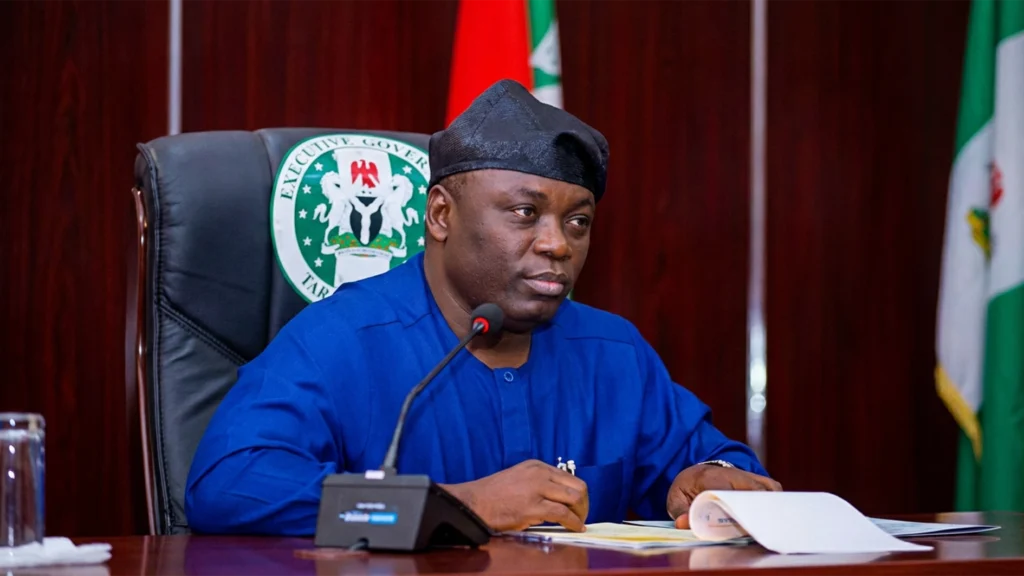
Representing Governor Agbu Kefas, the Head of Service, Dr. Ahmed Kara, described the launch as a significant milestone in the state’s efforts to make education more accessible and affordable.
He noted that the platform would provide flexible learning opportunities for children whose education has been disrupted by insecurity, displacement and other circumstances that prevent regular school attendance. He also reaffirmed the state government’s commitment to educational innovations that prepare young people for the demands of a changing world.
The Commissioner for Secondary, Technical and Vocational Education, Dr. Augustina Godwin, said the introduction of the platform followed sustained engagement and collaboration with UNICEF.
She explained that students would be able to access learning materials beyond the traditional classroom while developing digital literacy and independent learning skills. She particularly highlighted its potential to support children in communities affected by insecurity, communal conflicts, flooding and displacement.
Godwin disclosed that the Nigeria Learning Passport had reached more than 12 million learners nationwide, expressing satisfaction that Taraba had joined the growing number of participating states.
She also revealed that Airtel Nigeria had supported the installation of 50 internet routers in selected public primary and secondary schools across the state to improve connectivity and access to digital learning resources.
The commissioner urged teachers, school administrators, parents and other education stakeholders to embrace the platform, maintain the installed facilities and encourage students to make effective use of the available resources.
The initiative has also received support from partners including Microsoft, the Global Partnership for Education, Airtel, IHS Towers and TECNO. Airtel’s contribution includes support for data-free access to the platform for its subscribers.
With Taraba’s inclusion, the Nigeria Learning Passport continues to expand its reach across the country, offering opportunities for students to learn beyond the classroom and helping teachers integrate digital resources into their teaching.
The state government says it will continue supporting technology-driven education initiatives as part of efforts to improve learning outcomes and widen access to educational opportunities.



More Stories
AHF Nigeria Calls for Dignity, Access and Action on Menstrual Health Day
NGO Supports 359 Teachers in Borno to Obtain Professional Teaching Licences
Kaduna’s Second Chance Education Programme Helps Married Girls Return to School