
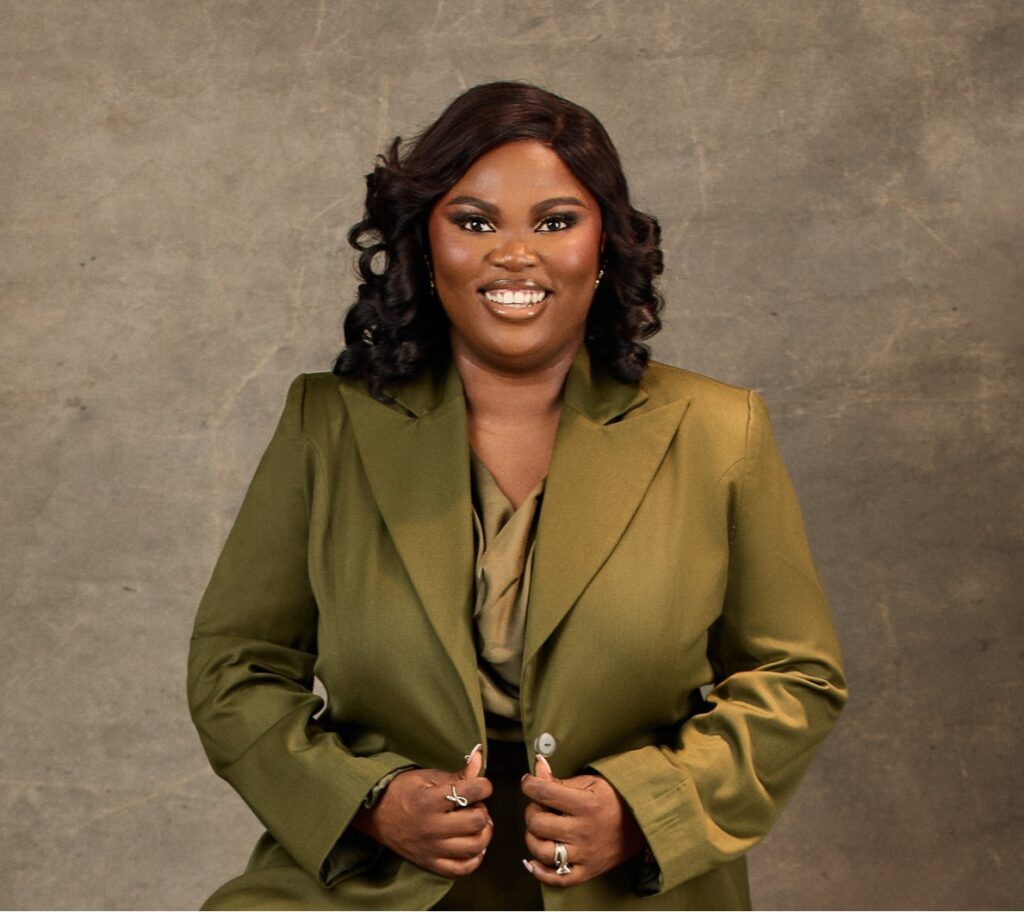
By Eniola Peters
Young people may live in different places and face different challenges, but many of them want the same things: a good job, financial stability, dignity and the chance to build a better life.
The question is, what will help them get there?
This year’s International Youth Day theme, “Different Contexts, Common Aspirations,” got me thinking about this.
I often ask young people a simple but uncomfortable question:
“If someone offered you ₦1 million today because of your skills, would you confidently collect it?”
The reactions are usually interesting. Some laugh. Some pause. Some become defensive.
But the question points to something important: having potential is one thing. Being ready for an opportunity is another.
A young person in Lagos may have a very different experience from one in Kano, Nairobi, London or New York. They may have different levels of access to quality education, technology, mentorship, professional networks and economic opportunities. Yet many of them still want similar things.
They want meaningful work. They want financial stability. They want to be independent. They want to make a difference. They want the opportunity to build something of their own.
So, what will help them get there?
For me, one answer stands out: skills.
I believe in education. Degrees matter. They give us knowledge, expose us to new ideas, build networks and can open important doors.
But getting through the door is not the same as being able to do the work once you are there.
Today, employers, clients and businesses want to know what you can actually do.
Can you communicate clearly? Can you solve a problem? Can you manage a project? Can you analyse information? Can you use technology and artificial intelligence responsibly? Can you create something, sell something, teach something or make a process better?
These are questions a certificate alone cannot always answer.
And I think this is where many young people are struggling.
We are consuming more information than ever before, but information does not automatically become skill.
We watch tutorials. We listen to podcasts. We save career advice. We follow successful people online. We sign up for courses.
But at some point, learning has to become doing.
Scrolling through social media is not a skill. Watching successful people online is not a portfolio. Inspiration is not preparation.
A skill becomes valuable when you can use it to solve a problem, create something useful or help someone.
Through my work in career development and youth empowerment, I have met brilliant graduates who struggled to find opportunities because they did not have enough practical experience to show what they could do.
I have also met young people with modest academic backgrounds who built businesses and created opportunities because they developed a skill and became really good at it.
The difference was not always intelligence.
Sometimes it was access.
Sometimes it was exposure.
Sometimes it was mentorship.
And sometimes, it was simply having the chance to practise.
This is something we need to talk about more.
We often tell young people to “get skilled,” but we don’t always ask whether they have the opportunity to develop those skills.
A young person cannot build a portfolio from theory alone.
They need somewhere to practise. They need someone willing to give them a first opportunity. They need feedback when they make mistakes. They need people who can show them how what they are learning connects to the real world.
That is why youth development cannot stop at training and certificates. We have to help young people move from learning to doing.
One reason I believe strongly in skills development is simple: skills give you options.
Someone who can write, design, code, teach, sell, analyse data, manage social media, edit videos, take good photographs, bake or use AI tools effectively has something they can offer.
But not every important skill is technical.
Communication matters. Teamwork matters. Emotional intelligence matters. Critical thinking matters. Leadership matters. Problem-solving matters.
The future belongs to people who can combine what they know with what they can do.
Knowledge is important. But being able to apply that knowledge is what makes it useful.
This year’s theme also reminds us that young people are not starting from the same place.
Some have access to good schools, fast internet, mentors and professional networks.
Others are dealing with unemployment, poor infrastructure, limited internet access, financial challenges and a lack of opportunities.
We cannot tell everyone to simply “work harder” and pretend they are starting from the same place.
If we are serious about young people, governments, schools, businesses, parents and organisations have to do more.
We need accessible skills training. We need mentorship. We need internships and apprenticeships. We need entrepreneurship support. We need better digital access.
Most importantly, we need to create more opportunities for young people to gain experience and show what they can do.
At the Ready Set Work Initiative, this is at the heart of our work: helping young people become not just graduates, but people who can create value, contribute meaningfully and navigate a changing world with confidence.
My challenge to every young person reading this is simple.
You don’t need to learn everything.
Choose something.
Learn it.
Practise it.
Get better at it.
Then find a way to use it.
If you already have a skill, ask yourself: Can I actually demonstrate it?
If you have knowledge, ask: How can I turn it into something useful?
If you have a skill but no experience, look for opportunities to practise.
And if you have experience, ask yourself how you can create more value from it.
Our contexts may be different, but our aspirations are remarkably similar.
The challenge is to build the bridge between those aspirations and reality.
That bridge will require education, but also skills. It will require opportunity, but also preparation. And it will require young people who are willing to keep learning, practising and improving.
Because you don’t need to be good at everything.
You need to become good at something that matters, and be ready when the opportunity comes.
Happy International Youth Day 2026.
Eniola Peters is an HR and Career Development Consultant, founder of the Ready Set Work Initiative, and a passionate advocate for youth employability, skills development and career growth.
More Stories